Programming Design
Cultivating design practices in large organizations
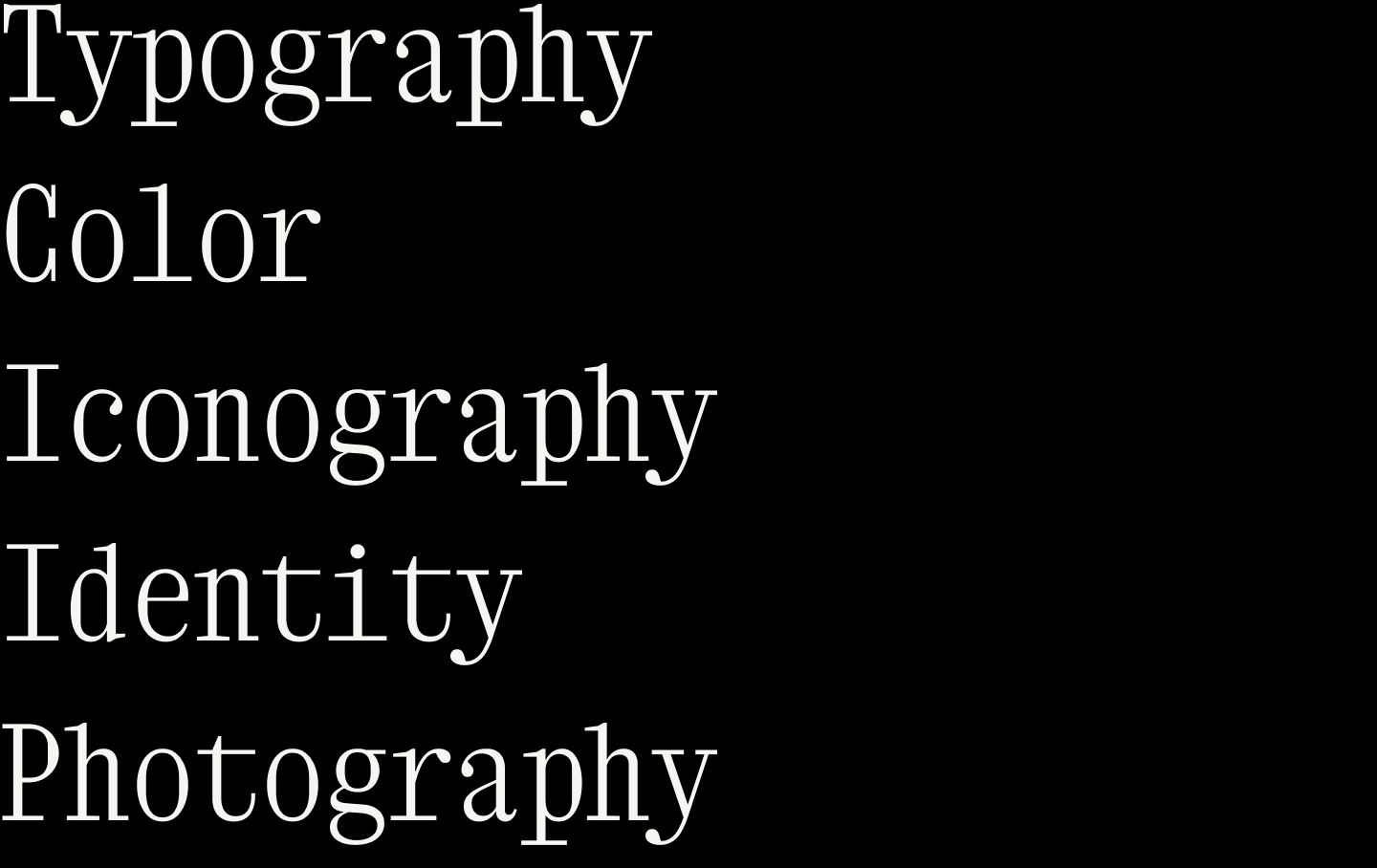
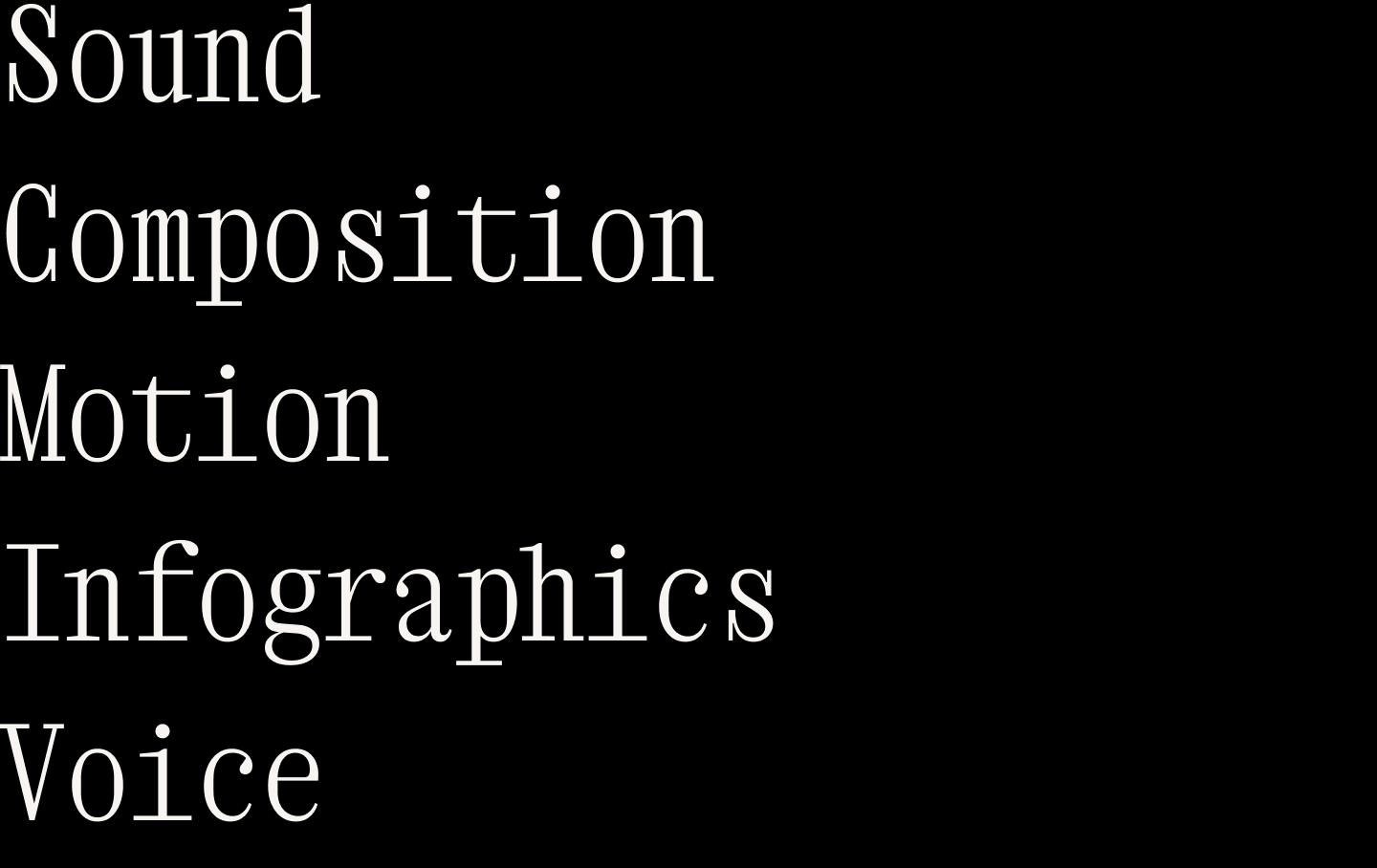
Design is the sum of its individual disciplines. A print advertisement, for example, is relatively simple because it brings together just word and image onto a page. Design systems are far more complex and draw on a wider range of disciplines like typography, iconography, and motion.
Large organizations easily produce tens of thousands of design artifacts a year, from the simple to the complex. Since strong brand identities are built through consistency, everything organizations put out in the world should feel like they were designed by the same hand. This requires deliberately cultivating individual design disciplines within an organization.
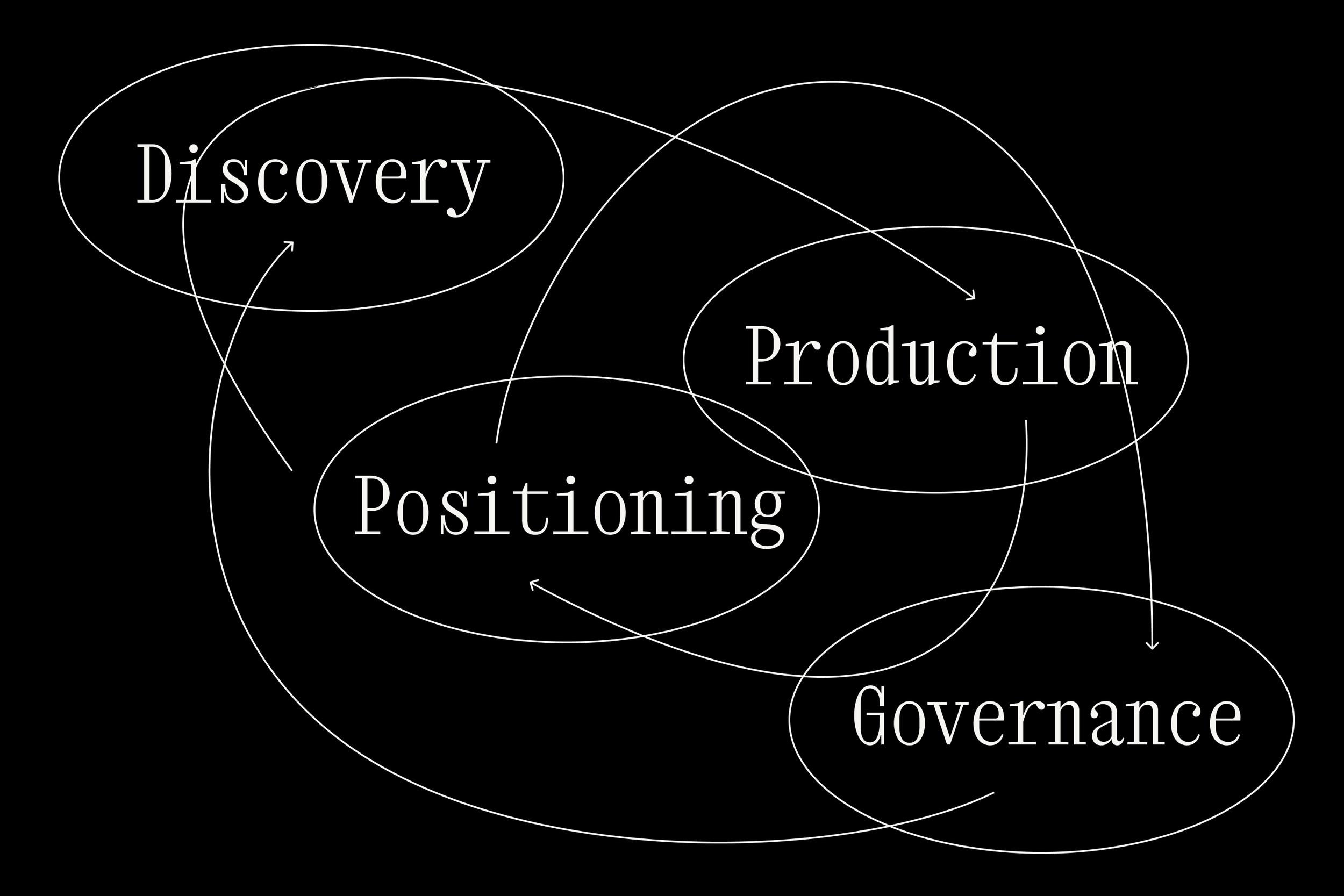
While each discipline requires a distinct set of skills, their development follows a predictable program of sequenced phases: discovery, positioning, production, and governance. Specialists in their respective disciplines own programs and lead each phase. They enter at different phases depending on how mature the discipline already is within the organization.

Discovery defines the problem and opportunity. An internal audit measures existing artifacts against an ideal state and identifies gaps in execution, such as inconsistent voice across touchpoints or misplaced tone at a specific one. Competitors are also examined to reveal best practices. All findings are then consolidated into a clear set of requirements.
Positioning takes everything uncovered in discovery and forms a point of view unique to the organization. It defines creative direction and style, establishes scope, and captures all decisions in documentation. For example, decisions around typeface, type scale, and type pairings, might be driven primarily by the preference of clarity over ornament.
Production executes on the framework that the positioning has defined. Assets, presets, reusable components, and templates are built and deployed to teams through libraries and repositories. Icons are, for example, drawn to the style defined in the positioning phase and then populated into libraries.
Governance measures the success of the program. Is the guidance useful to teams? Are they applying it in predictable ways? This phase establishes both passive and active feedback mechanisms, from usage analytics to periodic workshops, that help program owners determine whether libraries need to expand or styles need to change. New accessibility regulation, for example, might require restructuring the foundational colors.
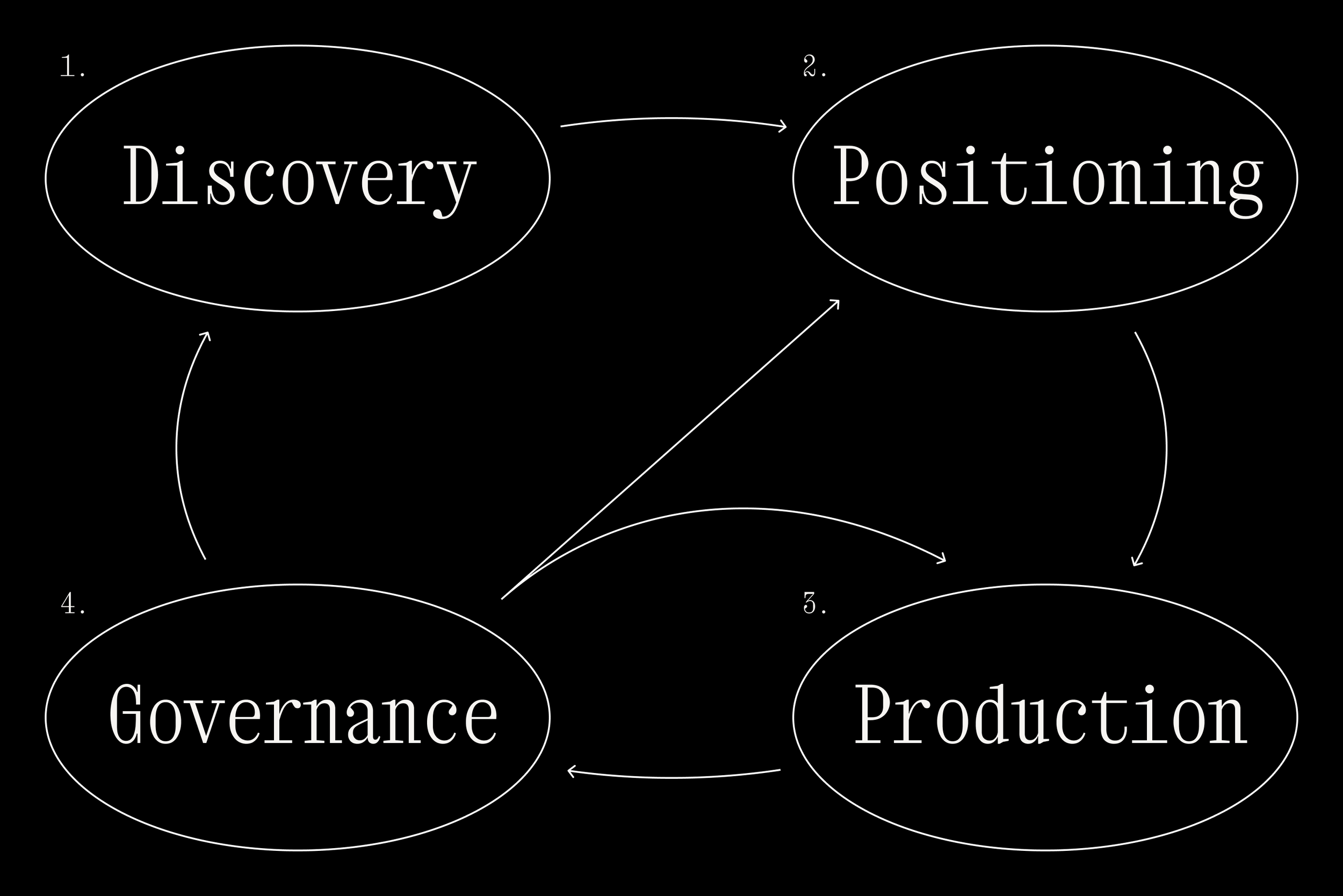
Major changes in business priorities, brand strategy, or industry technology may trigger a return to the discovery phase, completing the program's life cycle. How long a cycle lasts varies by discipline. Typography, for instance, can be sensitive to technological change. Advances in screen resolution or the broader adoption of variable fonts can prematurely shorten its cycle. Brand identity and logos tend to have the longest cycles of all.
Each discipline runs on its own timeline, which is shaped by a different set of factors. Organizations that build strong, well-documented, and attentively-maintained programs are able to more efficiently cascade design decisions down through teams, leading to shorter execution times and more consistent quality. They are also best positioned to absorb change, whether from a shift in business strategy or from a broader disruption in the industry.
Image text set in Xanh Mono.
Brand Strategy
Design Operations
Systems Design